We are all watchers now.
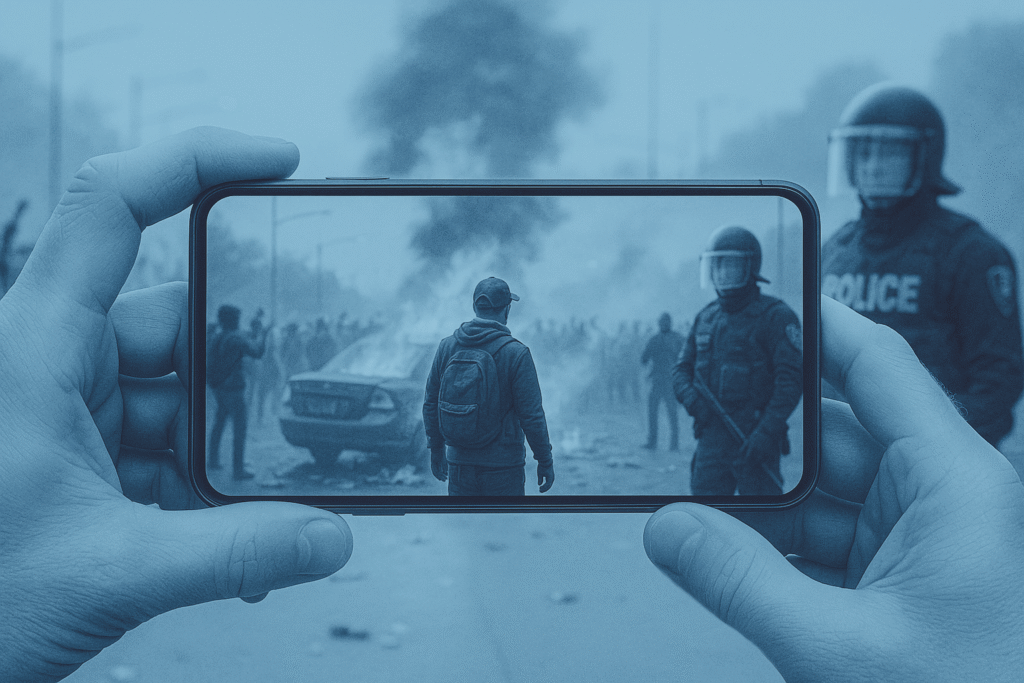
In today’s hyper-documented world, surveillance isn’t just the domain of law enforcement or “Big Brother.” It’s the teenager livestreaming a protest, the commuter filming an automobile crash, the tourist capturing a moment that becomes history, and the concerned citizen recording a police arrest to ensure accountability. Every smartphone lens, store camera, and social media upload has become part of a vast, unblinking network of observation.
What began as a shift from print to pixels has evolved into a culture powered by visibility and accountability. News has become part entertainment, and personal experience often rivals verified fact. The public appetite for raw footage and real-time storytelling has transformed what it means to bear witness. Memory, once fragile and fleeting, now has backup.
The Rise of the Citizen Witness
The age of the “digital witness” began long before smartphones could broadcast live. When the Costa Concordia cruise ship ran aground in 2012, the most revealing footage came not from news cameras but from terrified passengers recording the chaos. Those clips became both headlines and evidence.
Since then, citizen footage has shaped history – from George Floyd’s murder, from the Vancouver and G20 riots to the January 6 attack in Washington. The camera no longer just records; it testifies.
Today, the most powerful images of disasters, protests, or crimes rarely come from professionals. They come from the people who were already there, phones in hand. This impulse has even earned a new term: “digi-necking”, the act of recording an incident not out of empathy but for the content. In this world, every bystander is a potential broadcaster, and the line between witness and participant grows increasingly thin.
Surveillance, Streamlined
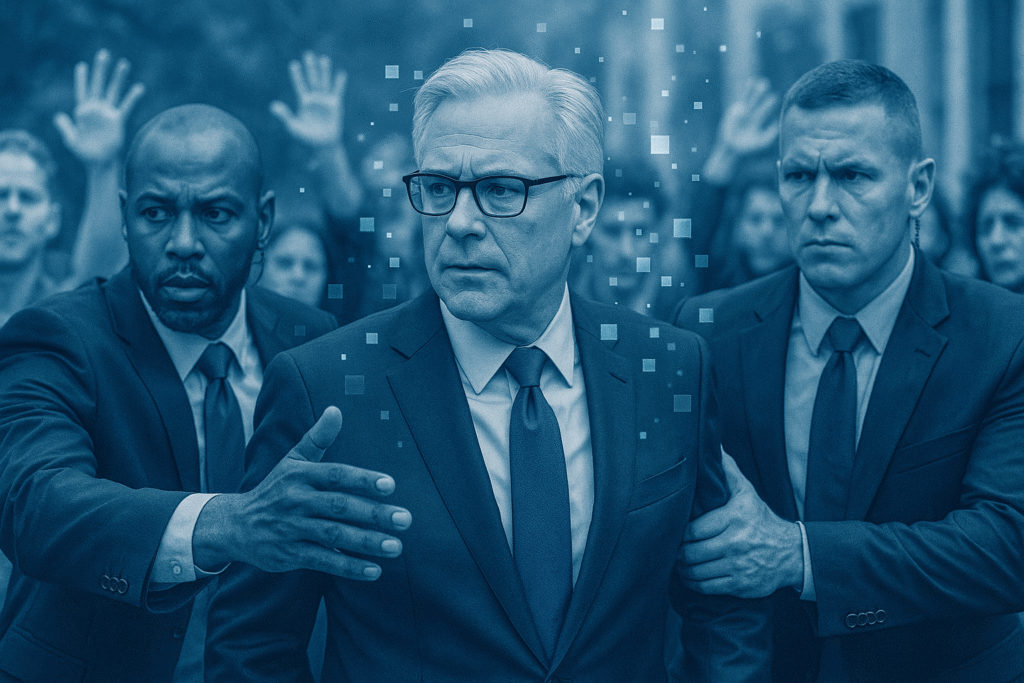
Alongside amateur footage, institutional surveillance has grown smarter and far more pervasive. In the UK, where CCTV is nearly unavoidable, the average Londoner is caught on camera thousands of times a year. Cameras equipped with AI now detect suspicious movement, recognise faces, and even predict crowd behaviour.
Police and private fleets use dash-cams and driver-monitoring systems that record both the road and the person behind the wheel. Casinos and airports deploy real-time facial-recognition to identify known offenders before a card is dealt or a gate opens.
Elsewhere, “crowdsourced accountability” is emerging. In several jurisdictions, citizens can report dangerous drivers or public misconduct by submitting dash-cam or mobile footage directly to authorities – blurring the line between civic duty and digital surveillance.
Oversharing and the Criminal Confessional
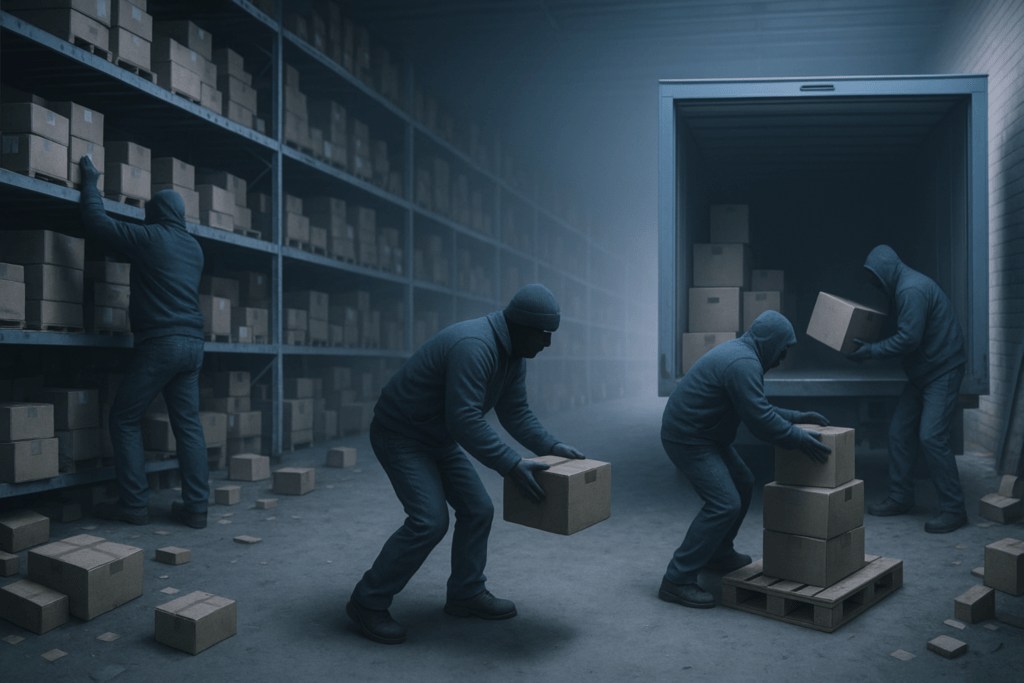
Social media has become an unexpected ally in law enforcement. Criminals seeking attention, or oblivious to consequence, often incriminate themselves online. Posts boasting of thefts, assaults, or illegal weapons have led to thousands of arrests. TikTok and Instagram now host a growing catalogue of evidence, where the pursuit of likes becomes self-incrimination.
Yet the same dynamic empowers justice. Viral clips exposing police brutality or corporate negligence have sparked investigations and policy reform. The platforms built for entertainment have become archives of accountability – where content can become evidence overnight.
The Camera in Your Pocket and the Question of Trust
In workplaces and public spaces alike, surveillance is now the default. But its meaning has shifted from control to accountability. Employees and employers alike record meetings, disputes, and incidents – often legally. In many jurisdictions, “one-party consent” laws permit individuals to record conversations they’re part of, without informing the other party.
For businesses, this dual-edged reality creates both protection and risk. Restricting phones might reduce distractions or data leaks, but it could also silence witnesses to harassment, fraud, or violence. In a culture built on documentation, the phone in your pocket may be the most reliable witness you’ll ever have.
When Every Device Becomes a Witness
The digital witness is no longer limited to people. Smart speakers, connected cars, and fitness trackers now record data that has appeared in courtrooms. A pacemaker’s heart-rate helped convict an arsonist who claimed to be asleep. A smartwatch timeline disproved a suspect’s alibi.
This “Internet of Legal Things” creates new possibilities for justice – and new privacy dilemmas. Who owns the data your devices collect? Who can access it? And when does digital protection become digital intrusion?
The Behavioural Effect
Visibility changes behaviour. Studies show that when people know they’re being watched – whether by cameras or co-workers – they act differently. They comply, they conform, they self-edit. The effect is subtle but powerful. This phenomenon, known as the Hawthorne Effect, describes how people modify their behaviour when they know they’re being watched. The awareness of observation often leads to more cautious, compliant, or even performative actions. It’s a modern echo of the “panopticon effect” described by philosopher Michel Foucault: when surveillance becomes constant, self-regulation becomes instinctive.
For investigators, that awareness matters. Surveillance data reveals what people do under observation, not necessarily what they do when unobserved. The camera may be objective, but the behaviour it captures may already be altered.
The New Social Contract
We are living in the age of the camera; where documentation equals credibility, and visibility equals truth. Yet this new transparency comes with trade-offs: privacy, authenticity, consent.
As citizens, we record to protect ourselves and each other. As corporations and states, we monitor to manage risk and ensure safety. The balance between those purposes defines the ethical frontier of modern life.
For investigators, journalists, and ordinary witnesses alike, the challenge is the same: to navigate a world where every story has footage, every truth has metadata, and every action may be replayed. The eyes have it – but so does the algorithm. And as the watchers multiply, the real question isn’t whether we are seen. It’s who controls the view.