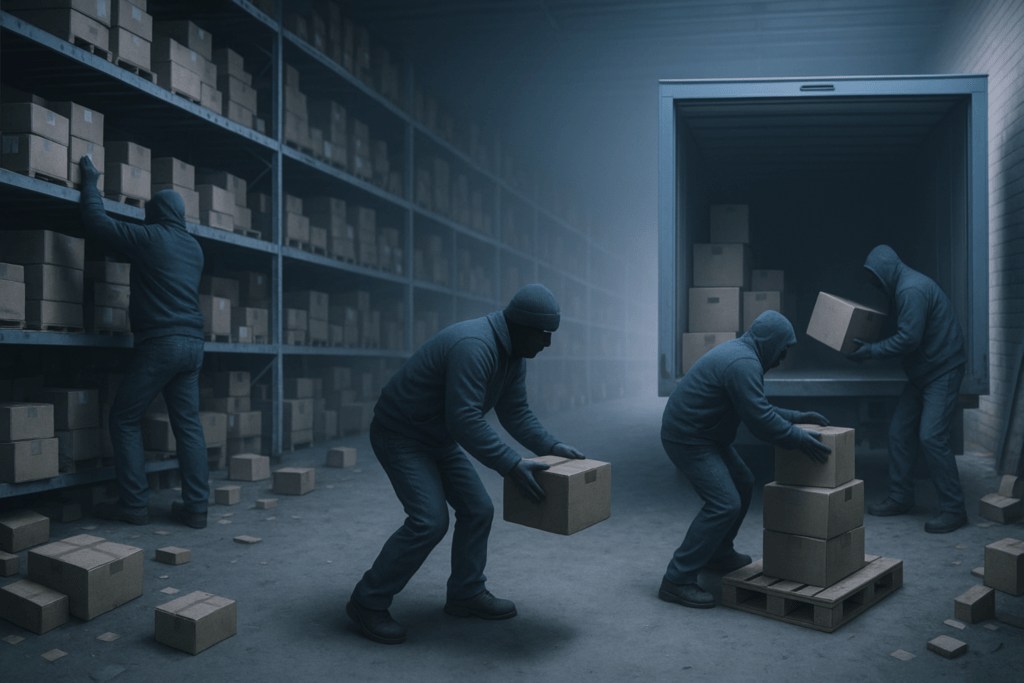
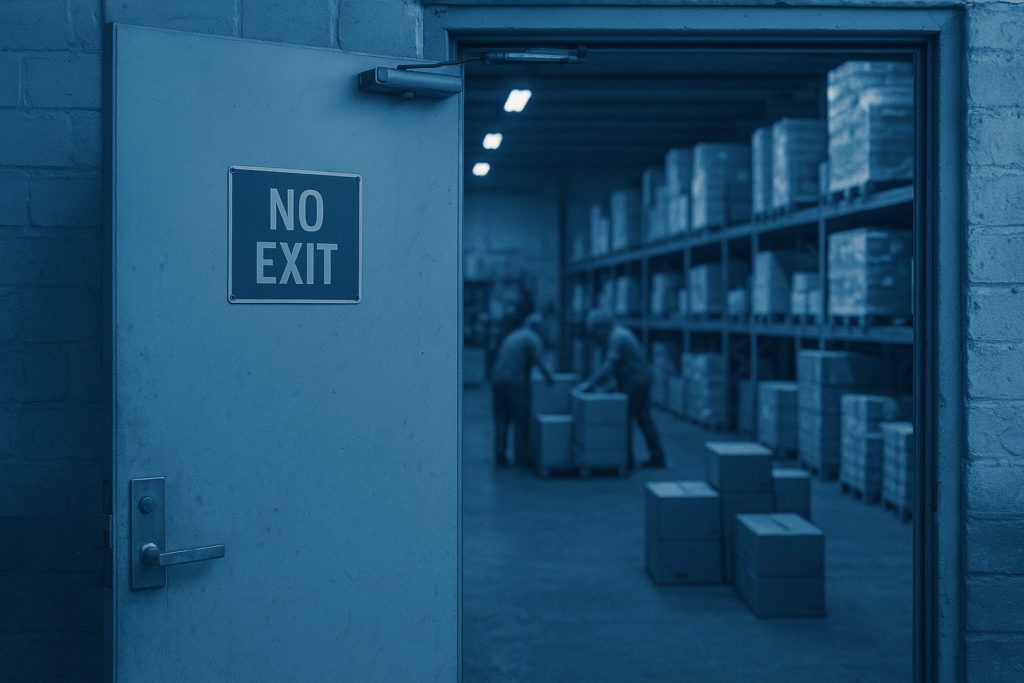
We often assume that visibility equals security. If the lights are on and the cameras are rolling, we believe everything is under control. But behind every floodlit loading dock and password-protected server is a deeper question: Is anyone really watching—and do they know what they’re looking for?
More Than a Checklist
Security audits tend to carry a reputation of formality—a box-ticking exercise carried out to appease insurers or compliance officers. But a truly effective audit does much more. It’s a strategic opportunity to evaluate how an organization protects its people, its data, its intellectual property, and its long-term stability. It reflects leadership’s priorities and an organization’s culture of accountability. Done right, it can reveal blind spots, correct vulnerabilities, and reinforce trust across the organization.
A Tragic Case of Neglect
Consider the 2012 fire at Tazreen Fashions in Bangladesh. Over 100 lives were lost in a preventable tragedy. Exit doors were locked. Escape routes were blocked. And when asked about the absence of emergency protocols, the factory owner’s response was haunting: ‘Nobody told me.’ This wasn’t a failure of equipment—it was a failure of awareness and accountability. A simple audit might have changed everything. It’s a chilling reminder that what you don’t inspect, you can’t protect.
The Anatomy of a Smarter Audit
Modern threats require modern solutions. A smart audit doesn’t just count locks or inventory fire extinguishers. It examines how well those safeguards are understood, followed, and enforced. Lighting strategies are a perfect example—should a facility be brightly lit to deter intruders, or kept dim to conceal security patterns? The answer depends on location, layout, and risk exposure. Audits help define and refine that balance.
Access control is another essential layer. A single access badge system may seem secure—until one employee holds the door open for a stranger. Strong audits look at behaviour, not just infrastructure. Are entry logs reviewed? Are zones clearly separated? Is tailgating addressed, or silently tolerated?
Cybersecurity now plays an equally critical role. Sensitive data isn’t locked in a file cabinet—it’s floating in emails, servers, and cloud platforms. A smart audit examines both technical controls and employee behaviour. Are passwords secure? Are staff trained to recognize phishing? Do people understand why cybersecurity policies matter—not just what they are?
Cultural indicators matter just as much as technical ones. Are employees comfortable reporting concerns? Are policies actively enforced or quietly ignored? A solid security culture doesn’t rely on posters in the breakroom. It depends on training, leadership, and systems that make it easy to do the right thing.
One Size Doesn’t Fit All
Every industry faces unique risks. A logistics company faces different threats than a pharmaceutical manufacturer or financial institution. That’s why cookie-cutter audit templates often fail. A tailored audit takes into account insider threat potential, physical vulnerabilities, and region-specific risks. It’s not about more questions—it’s about the right questions.
From Audit to Action
Audits work best when they’re collaborative, not confrontational. Empowering local managers to conduct self-assessments between formal audits fosters ownership and can identify issues before they become problems. When teams see that management is vested in the safety and security of the staff and facility, feedback leads to real change, participation increases—and so does security. The most successful audits aren’t the ones with the longest reports. They’re the ones that lead to the fewest incidents.
The Bottom Line
Security is not static. It evolves with your people, your threats, and your operations. A smart audit adapts with it. Because when the lights are on, you want more than visibility. You want confidence that someone is paying attention—and that the system works even when no one is watching.