The myth vs. reality of OSINT
OSINT is widely mistaken for simple online searching, but true intelligence work extends far beyond a search bar. Real OSINT blends advanced online analysis with offline public records, interpreting behaviour, patterns, and documented facts to reveal what surface searches miss. It requires a disciplined mindset, an understanding of the investigative environment, and the experience to recognize where meaningful information actually lives. OSINT isn’t about looking harder. It’s about looking smarter, deeper, and with clear investigative purpose.
Winning by numbers: How data analytics is changing the game
Traditional investigation has always been activity-based: who went where, when, with whom, and what did they do. This method focuses on tracking movements and actions to reconstruct events, a process rooted in observation and physical evidence rather than digital insight. That focus is rapidly evolving into a data-driven discipline. Just as investigators now uncover patterns hidden within vast datasets, professional sports teams are harnessing the same analytical power to decode performance, predict outcomes, and gain a strategic edge over their competition.
The lights are on but is anyone home: The case for smarter security audits
We often assume that visibility equals security. If the lights are on and the cameras are rolling, we believe everything is under control. But behind every floodlit loading dock and password-protected server is a deeper question: Is anyone really watching—and do they know what they’re looking for?
The eyes have it: Everyday surveillance and the digital witness revolution
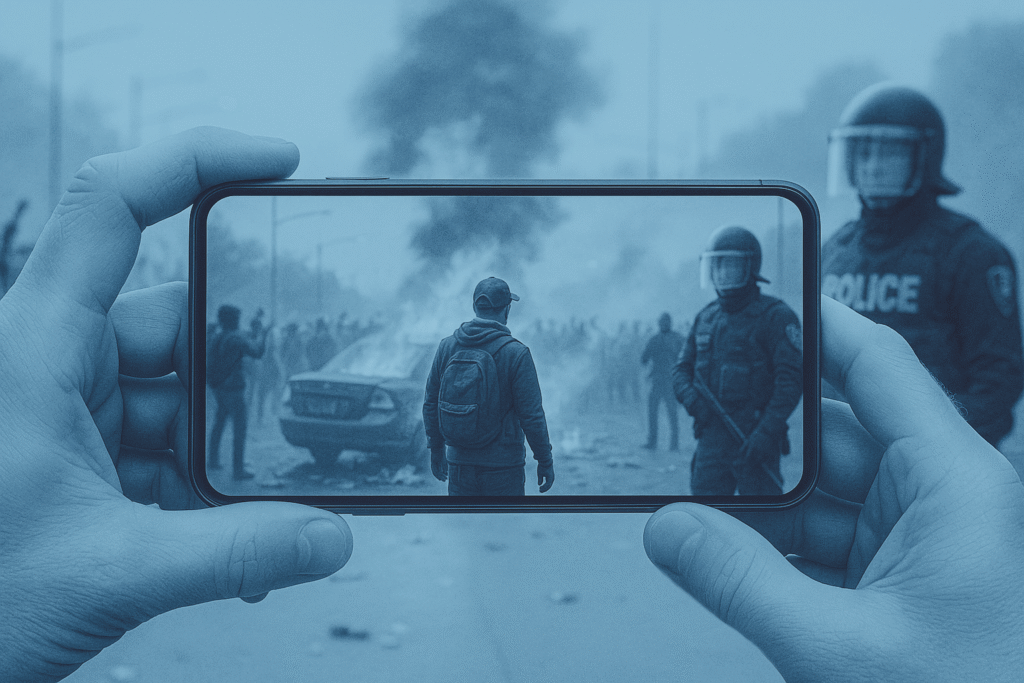
In today’s hyper-documented world, surveillance isn’t just the domain of law enforcement or “Big Brother.” It’s the teenager livestreaming a protest, the commuter filming an automobile crash, the tourist capturing a moment that becomes history, and the concerned citizen recording a police arrest to ensure accountability. Every smartphone lens, store camera, and social media upload has become part of a vast, unblinking network of observation.
Heirs, history, and healing: The investigative search for family, facts, and finality
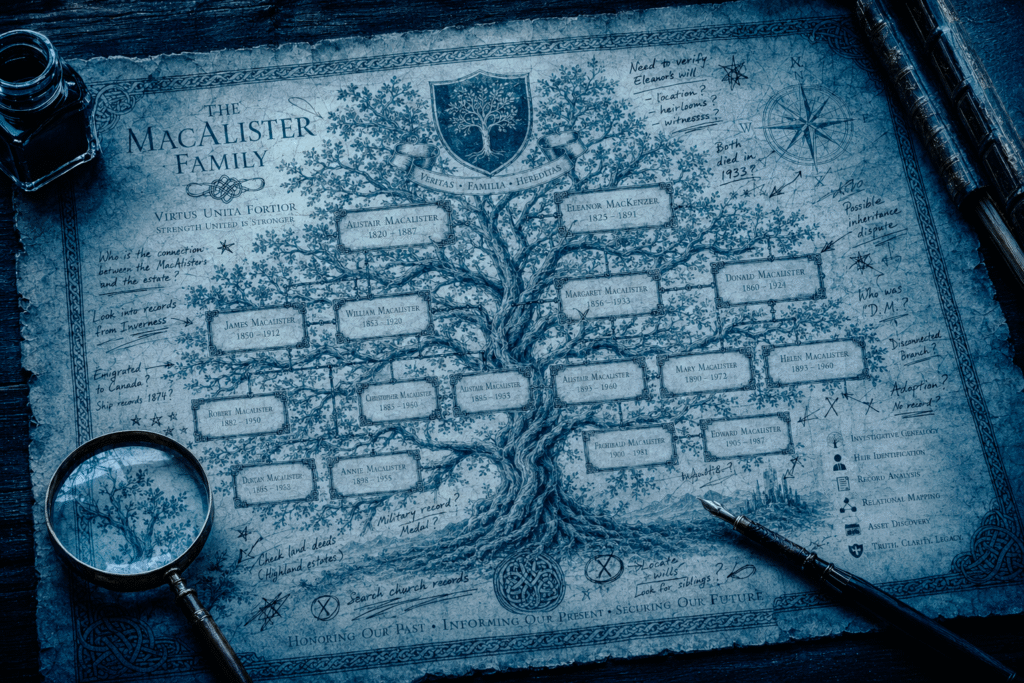
Investigative genealogy offers more than just names on a chart—it helps people reclaim lost identities, resolve legal and personal questions, and reconnect with their roots. This work brings emotional healing, preserves generational knowledge, and provides clarity where history, memory, or circumstance has left gaps. It combines traditional genealogical methods with investigative techniques to verify identities, trace lineages, locate heirs, and solve complex family-related inquiries.

Using the right resources
"If your only tool is a hammer, then every problem looks like a nail." This is a cognitive bias that involves an over-reliance on a particular tool because it was immediately available or familiar. The desire to do the right thing is often overshadowed by the need to do things quickly, cost-effectively and easily. However, knowing your limitations and recognizing that others have abilities in areas you lack while having access to a wide range of experts ensures the best possible outcome.
From fractures to failures: What the Broken Windows Theory reveals about workplace risk
In 1982, a theory was introduced that would go on to reshape modern crime prevention. Known as the Broken Windows Theory, it proposed a bold idea: that small signs of neglect—like a single shattered window—can invite much larger problems if left unaddressed. The same principle holds true within the walls of our workplaces, where minor, unchecked infractions often evolve into major threats—eroding safety, culture, and trust.
Finding your blind spots
The old adage is true: Believe nothing of what you hear and only half of what you see. TV shows like CSI would have the public believe that you can get the licence plate of a speeding car reflected in someone’s sunglasses from 100 feet away. While this might be great as a deterrent for uneducated criminals, as investigators it creates challenges when dealing with client expectations.
Public life, private risk: The threat behind the spotlight
A well-known skip tracer once shared the secret of his success with me. He would use phone books to follow these breadcrumbs from the first instance a person appeared in the phonebook, through the years until he found their current address. We are creatures of habit, he explained so that however we identified ourselves in the phonebook was the way that we carried that identity through our lives.
Keys to the kingdom: Who is guarding the crown jewels
There is no question we are living in a changing world. The simpler days of security are behind us. Gone are the days when protecting your business meant simply setting the alarm system, locking the front door and turning on some lights; effectively shutting out the risks that could harm a business. Physical barriers – the fences, walls and doors – that have long been an effective way of protecting a company’s employees, assets and inventory are no longer the solution.
How not to crash an airplane: Lessons in collaboration
Ask a veteran air‑safety inspector how a jet ends up in a cornfield and you will never hear a single-minded answer. “Pilot error,” “weather,” “engine failure”—each alone is too tidy. The real explanation is always a combination of factors, a chain reaction: overlooked maintenance paperwork, a poorly designed alert, a storm cell that blooms faster than radar refreshes, a split‑second human slip. Air‑crash investigation therefore starts with a bias toward complexity: assume the event is systemic, not singular.
Colouring inside the lines
We are taught as children to colour within the lines but to find our individuality. As adults we are taught to stay in our lane but think outside the box. We are encouraged to stay the course but also to take the road less travelled. Its an ambiguity that we struggle with throughout our lives. There are pros and cons to each avenue.
Turning the tide on cooking oil theft: How data analysis identified and stopped a costly loss
A food-waste refiner was losing thousands of litres of used cooking oil each month. Drivers arrived at restaurant bins only to find them empty, and growing financial losses threatened the company’s operations. An initial theory pointed to a rival competitor’s crews siphoning the grease, so our team coordinated surveillance on that competitor. After several nights without incident, it was clear they were not involved and we needed a new approach.
The hidden threat: How a politician’s digital perimeter was breached from within
In the realm of executive protection, threats rarely manifest as they once did. While the traditional image of a shadowy figure tailing a high-profile individual still plays well in films, today’s most serious risks are far more insidious—and often originate from within the digital footprint of those closest to the client.
From console to casefile: Speed, strategy, and the investigator’s edge
Open-Source Intelligence (OSINT) investigators and data analysts work in environments that demand rapid processing, exceptional attention to detail, cognitive endurance, and adaptive decision-making. In an unexpected but growing body of research, high-paced video games—particularly action-oriented titles—have demonstrated measurable benefits to the very cognitive faculties required for high-performance OSINT work.